
Wayward Voice
Reclaiming the Sound of Your Own Conscience

Welcome to issue fourth issue of Wayward Purpose. I am gradually revising and updating these earlier writings. Changing a culture, particularly around issues like suicide and moral injury, requires more than just stories or research. These subjects are difficult to confront, and stigma still exists. However, recognizing the wound is the first step toward healing. It’s okay to struggle and to speak honestly, even when it’s uncomfortable. By sharing my journey, failures, and insights, I hope to motivate others to do the same. True change begins with us and grows as we support each other in leading, restoring faith, and discovering purpose.
Wayward Purpose focuses on transforming moral injury into moral leadership so that suicide is never an option. This is how we transform lives and culture. Together.
Content Warning: Suicide. If you or someone you know is in crisis, especially an active-duty service member or veteran, please reach out immediately. Call the Veterans/Military Crisis Line at 988, then press 1, or contact emergency services.

Where Lines Become Awareness
There’s a photo that used to hang in our house. A picture snapped on a warm afternoon when the flight-line shop shut down so a young airman and his bride could say “I do.” No dress uniforms, just simple civilian clothes in a borrowed courthouse, in a foreign country, smelling faintly of jet fuel and hope. In that image, the late-day sun paints everything gold; our smiles, bright and untouchable, beam in front of a court representative and translator, surrounded by a handful of close military friends and proud in-laws. It was a moment frozen in time, the world bright and safe.
At the center of the photo above, my wife’s hand in mine catches the sunlight. A symbol of our promise never to let go. That golden gesture speaks to the enduring strength of our bond, even as faces slip quietly from the frame over the years. We’ve come to learn that the warmth of our connection endures, illuminating what remains constant amid life’s inevitable changes. Yet a closer look reveals shadows beneath the light.
Some of the people pictured with us are gone, lost to suicide and the slow corrosion of the soul that sometimes follows service and moral injury. Their absence changes not just the pictures, but the meaning of those days. Some of those bright smiles now wear the ghosts of untold pain. A few of our makeshift family surrendered to despair, swallowed not by war, but by the relentless quiet of self-destruction. Others numbed out and slipped away, directionless until the end. Even now, fragments resurface, confessions whispered on late nights, hands lifted off steering wheels in silent battles never spoken aloud, with the truth only coming out over shared drinks.
For years, I had no words for the darkness that crept into those golden memories. I kept moving forward, duty-bound, packing away grief as if it were gear that didn’t belong at work. A hand receipt I could never turn in. Outwardly, I showed discipline and resilience; inside, I was rusting where no one could see. Only later did I recognize this soul-deep erosion for what it was: moral injury. Admitting it was the first step toward change and healing.

So now, when my wife and I look at our wedding photos, we’re aware of both the bright smiles and the dark shadows. The images are as much about who is missing as about who remains. That contrast, that coexistence of light and loss, is the heart of our story. The awareness that the moment you recognize that even your brightest memories hold spaces where parts of your family have faded into the dark.
What matters now is where we turn our attention next.
Whether we reach out, reflect, or honor those lost as part of our journey, every step toward healing is an act of resilience and love.
Summon the Core Wound: Moral Injury
Moral injury is a hidden but central wound. A break in conscience rather than a reaction to fear.
It asks “Am I still good?” instead of “Am I safe?”
At its core, moral injury erodes authenticity, causing:
Shame
Guilt
Distrust
Of self and world. A slow loss of one’s true self.

Imagine a service member reliving a flashback from an ambush. Fear and adrenaline surge, making it feel as though the threat is happening all over again. This is what most people recognize as PTSD: a powerful fear response to past trauma.
Now, consider a different kind of memory.
Picture having carried out an order that led to unintended harm. This recollection isn’t about fear, but about guilt and profound confusion over what’s right and wrong. It shakes the foundation of one’s identity, eroding trust in their own moral compass. This is moral injury. A deeper wound formed by actions that conflict with one’s core values.
How does a conscience wound occur? Clinical research and lived experience point to three main pathways:
Internal transgression occurs when you go against your own values. What you do or don’t do, bringing guilt and harsh self-judgment. It might look like skipping a safety check with bad consequences. The guilt can feel impossible to escape.
External betrayal occurs when someone you trust, such as a leader or institution, breaks faith with what’s right. You believed in them, but their actions broke your trust in the system. For example, a nurse is ordered to ignore suffering, or a young NCO watches their commander make harmful choices. The resulting sense of betrayal runs deep.
Moral disorientation occurs when the world itself no longer makes moral sense. After too many transgressions and betrayals, your internal compass spins out of control. You lose your sense of meaning and direction; up doesn’t feel up anymore. It’s an existential confusion, a darkness where you once saw purpose. Imagine a firefighter faced with a choice that should have been clear, but a series of compromises has blurred their judgment, leaving them unable to trust their own moral instincts anymore.

Moral injury arises both from combat and everyday moments when we betray our own values, whether by following questionable orders or by silence.
While not a formal diagnosis, it is a consequence of conscience.
A pain distinct from anxiety or depression. As a combat veteran said, “it’s about what happens within you: a broken alignment with your own values.”
Clinicians are starting to see what many of us learned the hard way.
Moral injury often underlies other struggles, including despair and suicidal thoughts.
The guilt and shame fester in silence, convincing you that you are the problem.
That you’re beyond redemption. I’ve heard it described as ‘a conscience wound that festers into a quiet despair.’
In my own life, I eventually realized that my soul was wounded not by fear, but by guilt and betrayal. By a fundamental break between the person I wanted to be and the things I had seen and done.
Where is your conscience wounded?
Yet, there is hope. Healing is possible; others have walked this path and emerged stronger. Recognizing and naming this injury is the start of a journey toward repair and growth. Let the stories of recovery be a reminder that the darkest moments can lead to profound transformation. Moral injury is a universal, invisible wound caused by profound challenges to core values. Recognizing this shared pain can deepen empathy.
Reflecting on my own story, I recognize how these lessons shaped me from an early age. My childhood taught me love is earned. The institution taught me belonging is conditional.
Add them up and you get a man polishing medals while his soul rusts underneath.

Over time, I became skilled at presenting a polished exterior, even as my sense of self quietly eroded beneath the surface. That’s how I lost internal authority. Moral injury often starts this way. A slow and deepening divide between the self we show the world and the one we keep hidden within.
The Turn: Awareness as the Beginning of Repair
Awareness of injury is the first step toward healing. I maintained a functional exterior while privately falling apart, mistaking denial for strength. My breaking point manifested not as confession but as a crisis, forcing acknowledgment of wounds long hidden.
My life crisis this past year became a turning point. It forced me to acknowledge that I still let others shape my thinking. In the military, I often heard,
“You don’t know your place” or “You have grandiose ideas.”
Earlier this year, a therapist named it for me: I wrestled with right and wrong by thinking and speaking out loud. In rigid systems, this is seen as trouble.
I admitted to my therapist: “I’m still letting others guide my conscience, aren’t I?”
They replied, “That’s a loss of internal authority.”
This realization struck me deeply. I had ignored my inner compass, seeking approval instead of trusting myself.
Recognizing this loss was hard, but also freeing. I could work to reclaim my conscience and thoughts. Instead of hiding pain behind “I’m fine,” I faced it directly.
At first, I tried the same old solutions, only making things worse.
Eventually, I paused and removed myself from what fed the pain. I began to;
talk,
write,
and share,
what was broken in me, setting out on my path to honesty.
To guide this journey, I committed to a series of concrete, intentional steps:
I journaled daily to capture and understand my feelings and emotions, allowing for honest self-reflection and self-awareness.
When the burden felt too heavy, I reached out and called a trusted friend, refusing to carry it alone.
I consistently wrote and processed my thoughts on paper, and here, so I could sort through what truly mattered.
I explored multiple types of therapy to recenter myself and work through past trauma, welcoming professional guidance.
I worked with a coach to concentrate on my growth and hold myself accountable to change.
I joined a support group, creating space to share openly without fear of judgment.
And I focused on building a stronger relationship with God, anchoring myself spiritually.
These specific actions laid a foundation of honesty, steadily allowing me to see the truth of my experience without the old masks.
Truth-telling began quietly. In support groups, with friends, in therapy. Each time I voiced my pain and was met without judgment, the burden lightened. Naming moral injury released me from isolation and signaled the start of repair.
The very presence of pain confirmed that my conscience was still alive and capable of caring, pointing toward possible healing rather than despair.
Integrate the Grief Thread
Another thing I have come to realize during my research is that moral injury never stands alone; it intertwines with grief and loss. In my case, unprocessed grief was like a ghost in the machine, driving my reactions from behind the scenes. Losing people to death, to suicide, to broken relationships had left me with a heart full of thorny brambles. I tried to outrun that grief by staying busy and ‘professional,’ but eventually it caught up. The masks I wore began to crack under the weight of accumulated loss.

I remember one evening where the chill of the hotel carpet pressed against my skin, grounding me in a moment of overwhelming despair. My sobs echoed off the borrowed walls, throwing the loneliness I felt into stark relief, yet somehow, there was an unexpected grace within that painful solitude. At my lowest point, when I could barely stand among others, a small community welcomed me as I was, requiring nothing and simply letting me exist.
Through these moments, I learned that grace doesn’t come as a sudden answer, but as gentle companionship in the midst of pain. A realization that deepened my belief that presence matters far more than performance.
The people who helped me didn’t try to fix me or lecture me; they sat with me in the pain. They showed up. It dawned on me that being a mess and still present is better than being composed and distant.
In fact, being wrecked and present is always better than being tidy and absent.
This was the opposite of what my military training had instilled over the years. We were taught to show up only when we were mission-ready, squared away, and “fine.” Or, taught that a leader is not allowed to have a bad day.
But life isn’t a controlled mission, and healing isn’t a box you simply check off.
In combat, that strict discipline is essential.
But in everyday life, I realized my wife didn’t need a perfectly stoic hero. She needed me, raw but real, standing beside her in the fight.
My family didn’t need a parade-ground perfect NCO; they needed a husband and father who could be authentic and present, even if that meant honestly admitting when I was hurt or lost.
To make authenticity real in everyday life, I created a simple two-word check-in: “Be Present?” I use this with my family, close friends, and sometimes even with myself. It’s not a formal mantra or mindfulness exercise, just a quick gut check: Am I truly present, or am I slipping behind the mask again? That question snaps me out of autopilot and brings me back to the moment. Over time, it’s become an easy, steady way to stay grounded, without making things weird or overcomplicated.
Slowly, I began to swap performance for presence. Instead of hiding my grief behind workaholism or a forced smile, I started to let the people closest to me see what was really happening.
I confessed to my wife how deep my despair had gotten; I expected anger or disappointment, but instead she squeezed my hand and thanked me for trusting her with the truth.
I told a close friend that I wasn’t doing well, and instead of pushing him away, it brought us closer.
Every time I chose presence over perfection, it reinforced a new belief that my authentic presence is more powerful than a flawless performance.
Being open about my brokenness has always felt risky, and honestly, it still does every time I share something like this. It costs me pride and control over how others see me, but that very vulnerability is what saved my life. Each time I choose to be honest within community, I’m reminded that it’s our willingness to show up authentically, together, that truly makes healing possible.
It let others into my struggle, so I didn’t have to carry it alone.
Grief, moral injury, and even my neurodiverse wayward-fueled intensity all started to converge into a single lesson that I had to stop outsourcing my soul.
No more letting shame, busyness, or institutional expectations dictate my inner life. Healing meant regaining internal authority and reclaiming the ability to decide what my experiences meant, rather than letting pain or others decide for me.
It also meant embracing faith in a new way.
I had long kept God at arm’s length, but as I grappled with guilt and loss, I found myself praying through clenched teeth and tearful eyes. To my surprise, I found God was in the mess with me, not waiting on the other side.
While on a wounded warrior pilgrimage in Lourdes, France, a journey I’ve written about before, I felt a spark of hope and purpose begin to return. I realized my pain didn’t have to be something I merely endured; it could be transformed. The very experiences that had nearly broken me could become the foundation for helping others. A way to turn my pain into medicine. This realization planted the seed for something new.
The idea that moral injury could, in fact, be transformed into moral leadership.

Synthesis: Moral Injury → Self Awareness → Moral Repair → Moral Leadership
All these threads, moral injury, self awareness, grief, loss, betrayal, shame, guilt, authenticity, presence, all began to weave together into a new pattern. In the depth of my wound, a call was forming. I came to describe the journey in four stages: Moral Injury → Self Awareness → Moral Repair → Moral Leadership.
In other words, when approached with intention, the breaking of the self can become the making of a leader.
I’ve started calling this the beginning of the Wayward Framework. A pivot point where you stop seeing yourself as broken beyond hope and begin building something new from the wreckage.
What does that rebuilding look like? In my experience, it rests on three pillars: Faith, Discipline, and Direction. Think of these as orientation, structure, and destination:
Faith. Not necessarily in a religious sense for everyone, but for me, it was. Faith provides an orientation beyond my own ego and pain. It’s a way to make meaning out of chaos. Faith gave me an external compass when my internal one was spinning. It reminded me that I wasn’t alone, and that my story wasn’t finished. Faith, specifically my Christian faith, is what kept me looking for the light when everything went dark. It was the relationship I built with God. For others, meaning might be drawn from secular sources like philosophy, nature, or other deep relationships, offering similarly strong guideposts and reassurance. Whether through a spiritual lens or a non-religious one, the key is finding something that offers a sense of direction and connectedness.
Discipline. The daily structure that holds you together on bad days. When motivation fails, discipline remains. I’m not talking about the harsh, self-punishing discipline of our “hustle culture.” I mean life-giving routines and practices: morning prayer or meditation, journaling, exercise, therapy, volunteering. The habits that create stability. Discipline is the scaffolding that lets a battered soul start rebuilding safely. On the days everything was dark, it was often some small discipline, making a promise to check in with a friend, or writing just one paragraph, that carried me through.
Direction. A restored sense of purpose and internal authority. It’s when you rediscover why you’re fighting and who you’re responsible to. Direction came to me as I realized I could turn my pain into service. By reflecting on my moral injury (instead of running from it), I unearthed values that still mattered to me. I may have felt unworthy, but I still cared about protecting others, about honesty, about love. That became my direction: to lead with those wounded values, not in spite of them. Regaining internal direction also meant telling myself the truth: You’re not broken…you’re unstructured. There was nothing fundamentally wrong with me as a human being; I simply lacked a framework that could channel my gifts and wounds into something meaningful.
Realizing “you’re not broken, you’re unstructured” was revolutionary.
It reframed all my chaos as something to be shaped, not erased. I began to build that structure through faith and disciplined practices, and in doing so, I found my direction home.
I often share this message now with others who feel lost: You aren’t beyond hope; you just haven’t found the structure that lets your strength show.
When that structure starts to form, when you stack little wins and honest moments, something amazing happens. Leadership emerges from the ruins. Not the old model of leadership I once thought I had to embody (flawless, stoic, always victorious), but a humbler, braver kind. It’s the leadership of the wounded healer, the kind that doesn’t begin when you’re winning; it begins when you’re wounded and still choose to build.
I learned that leadership isn’t a trophy for the triumphant; it’s a calling for those who have walked through the fire and can light the way for others.

In practical terms, this meant reaching out to help others even as I was still healing.
It meant starting conversations about moral injury in my community, writing these essays, coaching fellow veterans and professionals who felt lost like I did.
Paradoxically, the more I stepped into moral leadership, living out the values that had been violated in me, the more whole I became.
Every time I mentored someone struggling with guilt or stood up for integrity in a small way at work, or in my life, I was reclaiming a piece of myself.
I often say that service was my way out of the darkness.
By focusing on building others up, I built myself up.
Faith kept me oriented,
Discipline kept me steady,
And a renewed sense of direction kept me moving forward.
I stopped trying to look perfect and started trying to be useful.
And here’s the truth at the core of all this: leadership is love. It’s rooted in love for others and love for values bigger than you. Moral injury had torn me away from love. Isolating me in shame and bitterness. Moral leadership reconnected me to love by committing me to serve and to be honest, even when it hurt.
It’s why I can now say with confidence: You’re not broken; you’re becoming. Your worst chapters can become your greatest offering to the world.
Suicide Is Never the Option
Everything I’ve described in this whole “Wayward” journey comes down to reshaping culture so that suicide is never seen as a way out.
For too long, our approach to suicide awareness has been to rattle off statistics and slap a number on a problem: “22 veterans a day,” we say, hoping the shock will spur change.
But statistics alone numb us.
They don’t spark the soul work needed for true change. The one thing that actually keeps people alive: Authentic Connection.
I’ve watched institutions respond to this crisis with:
Checklists
PowerPoints
Policies
Mandatory briefings
Computer-based training modules everyone clicks through
Annual “suicide stand-down days”
A new acronym every few years
Slogans printed on posters
Platitudes like “You matter” delivered with no follow-through
Scripts leaders read instead of real conversations
Hotline numbers taped to every wall
Taskers that generate more taskers
Command climate surveys no one trusts
Town halls where no one says what they’re actually feeling
Resilience programs designed by people who’ve never been in the fight
Leadership emails that sound like they were written by committees
Metrics that measure attendance, not impact
Briefs where we talk about people instead of talking to them
“Wingman culture” posters instead of actual wingmen
Dehumanized structures for a very human problem
Trying to fix souls with paperwork
It doesn’t work.
You can’t spreadsheet away despair.

What’s needed is a cultural transformation, a new environment and vision where:
Human connection, structure, and moral meaning are stronger than the pull of despair.
At Wayward Purpose, we believe real change happens through:
Human connection (authentic presence and community)
Structured support (faith-rooted, disciplined practices to live by),
And a restoration of moral meaning (reframing pain as purpose).
It’s not about lowering a number; it’s about raising a generation of morally courageous leaders who refuse to leave anyone behind in the dark.
When I say “suicide is never a option,” I’m not in denial of how dire things can feel.
I’m stating our commitment to make sure that for anyone in our community, there is always another option. A hand to hold, a step to take, a purpose to live for, a crisis response plan.
We aim to reach the wounded before they reach the edge, to show that what feels like an end can actually be a beginning.
If you’ve stayed with me through these hard truths, I invite you to be part of this cultural shift.
Check on your friends not with perfunctory ‘You good?’ texts, but with real conversations.
We will leave you with a few ideas on how to start:
Invite someone for a walk
Share a meal
Engage in an activity you both enjoy
Open the door to deeper discussion.
Have regular check-ins where you ask real authentic open-ended questions like ‘What has been on your mind recently?’
Offer that same attention back by actively listening without interrupting or trying to fix things immediately.
Challenge the notion that seeking help is weakness. In fact, it’s an act of leadership in itself.
Share your own story in whatever way you can; you never know who is living in silent pain, waiting for permission to speak.
Consider organizing or joining support groups where people can gather and share stories in a safe environment.
Turning moral injury into moral leadership isn’t about forgetting the pain; it’s about learning to lead from it.
Every story of survival can become someone else’s lifeline. Together, by leading from our wounds, we can build a culture where hope is contagious, purpose is common, and suicide fades from view. Not through suppression, but because we’ve rendered it truly unthinkable.
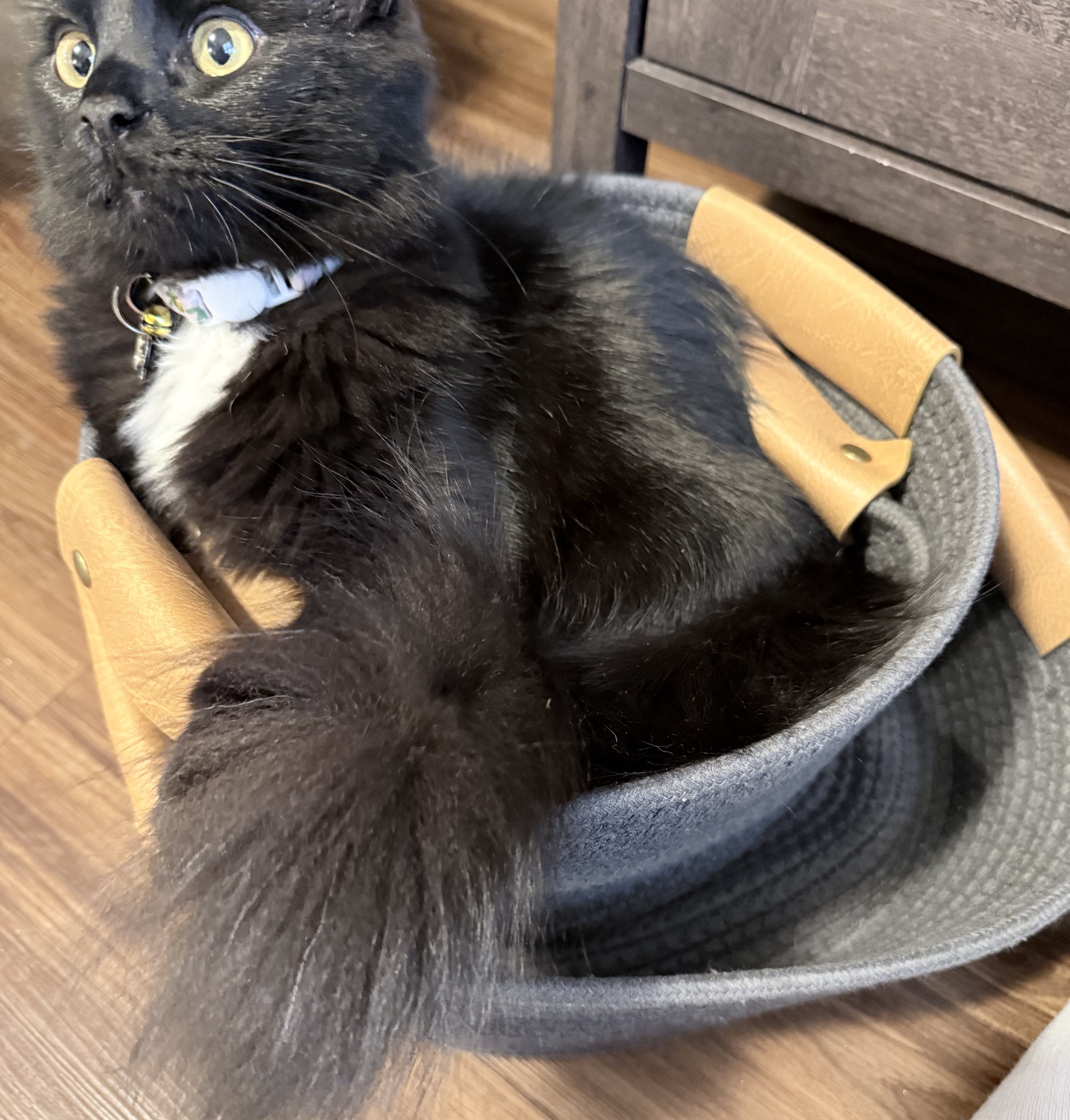
And on a lighter note: our new cat has absolutely no respect for rank, personal space, or emotional boundaries. She walks across my keyboard during serious writing moments. Honestly? It helps. Nothing brings you back to earth faster than a creature who looks you dead in the eye while knocking your pen off the table.

After writing this article, I connected with someone new who reminded me I’m not the only one trying to talk about these issues. Across the country, people are creating spaces where veterans can speak honestly, drop the mask, and be seen, and this week I met a few of them, including Buddy Check Radio, a media and storytelling platform amplifying veteran voices through podcasts, vlogs, and writing. Their work shows this isn’t a solo mission; there’s a quiet network forming, people choosing to face the dark together instead of pretending it’s not there. Projects like theirs remind me we’re all trying, in our own ways, to make sense of the same ache and speak the quiet things out loud before they destroy us. Because when guilt, shame, and moral injury rise up, betrayal is never far behind, even when there’s no clear villain.